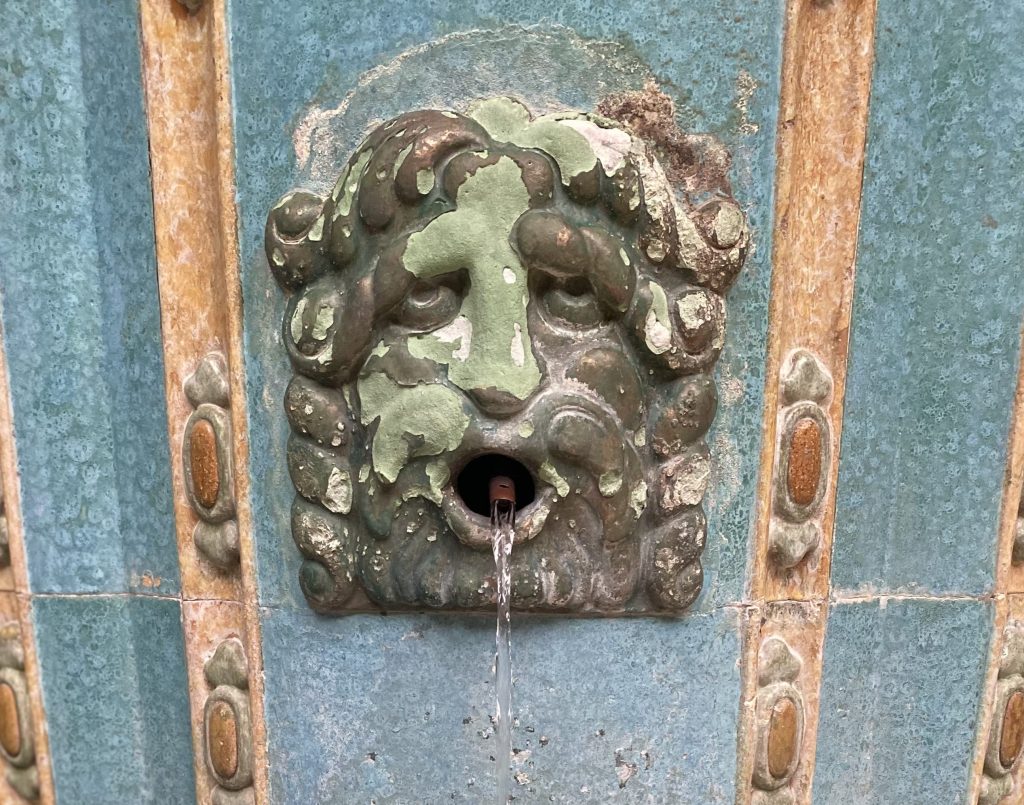
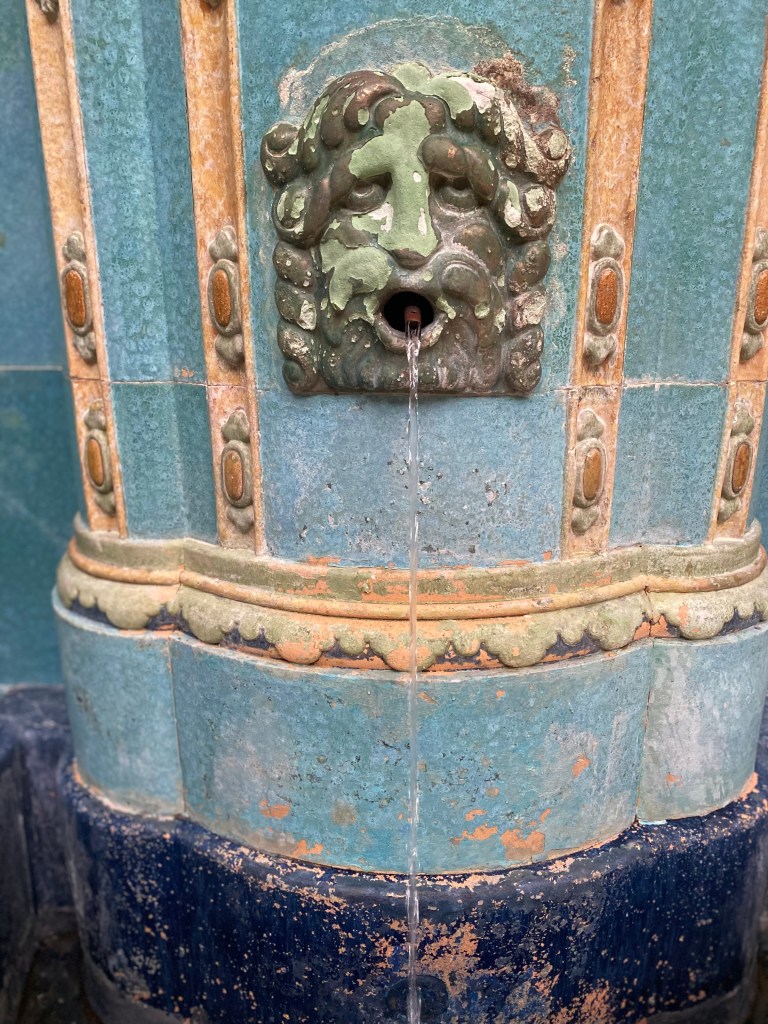
I developed Bells Palsy June 28, 2024 while in Spain. Starting with an ear ache in Budapest that continued through the train ride to Vienna and finally the next day’s flight to Valencia. That third day, I woke up with a swollen mouth and, in quick succession, my tongue and taste buds developed a metallic taste, cheek became numb, and eye became blurry and started drooping. I learned it’s a common condition with most people fully recovering. I seem to be in the 5% that only has 75-80% recovery more than one year later.
It was a year of self-loathing, where I had to come to terms with my vanity and sense of self. It’s one thing to grapple with cultural and racial identity, but another mental battle altogether when I can’t express myself the way that I do. All of my go-to outlets: painting, Muay Thai, swimming, eating … were either a challenge or outright unmanageable. Unable to close my eye (I wore an eyepatch for months and had to keep a kit of eye drops, gel, and cream for the night) and one side of my mouth immobile, I felt frustrated and pent up. Forced hibernation seemed less troublesome during this time, and enabled me to take a hard look inwards (as well as outwards at my relationships which is another story). This led to conceptualizing a new series that maybe was a long time coming.
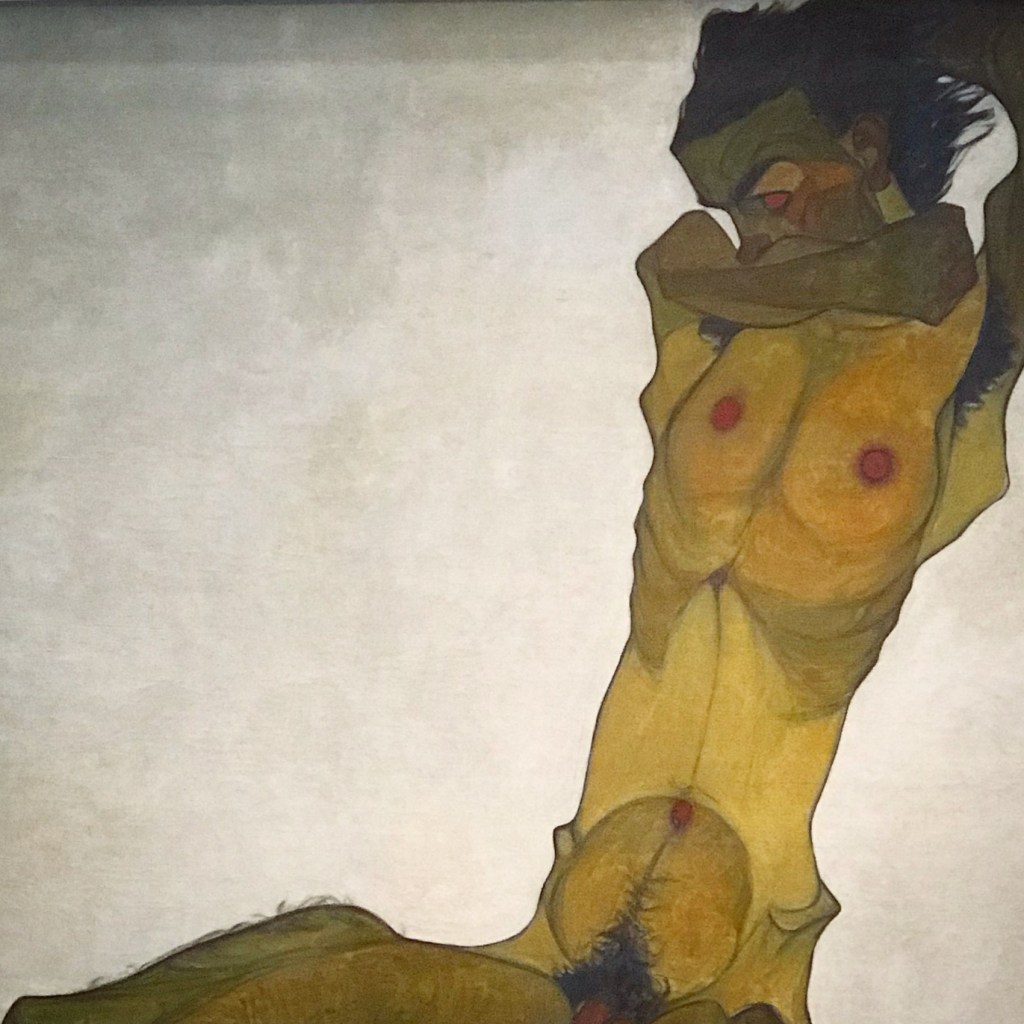
Coming back from Europe, Vienna in particular, inspired me. It had been too long having the opportunity to look at and think of art and history. I’ve enjoyed relearning my favorite artists, particularly Egon Schiele, Francis Bacon, and Frida Kahlo – funnily all portraitists. They all captured the essence of being human and alive ― raw and unflinching. I’ve never much considered portraiture, but at this time in my life it made sense (so did utilizing writing as a means, which is why it has become my latest challenge to keep it going as a practice and tool to move forward with the creative process).
Back in the U.S., I reread biographies from each of the above mentioned artists, which made me reflect on my own life and history: what makes up my identity? Why is it important? How does it touch upon my work? Is there a larger message? As I often do when visiting the U.S. and having access to the many albums and photos left behind, I looked though old photos, reminisced about my childhood and, as usual, was drawn to seeing my parents (both who have already passed away).
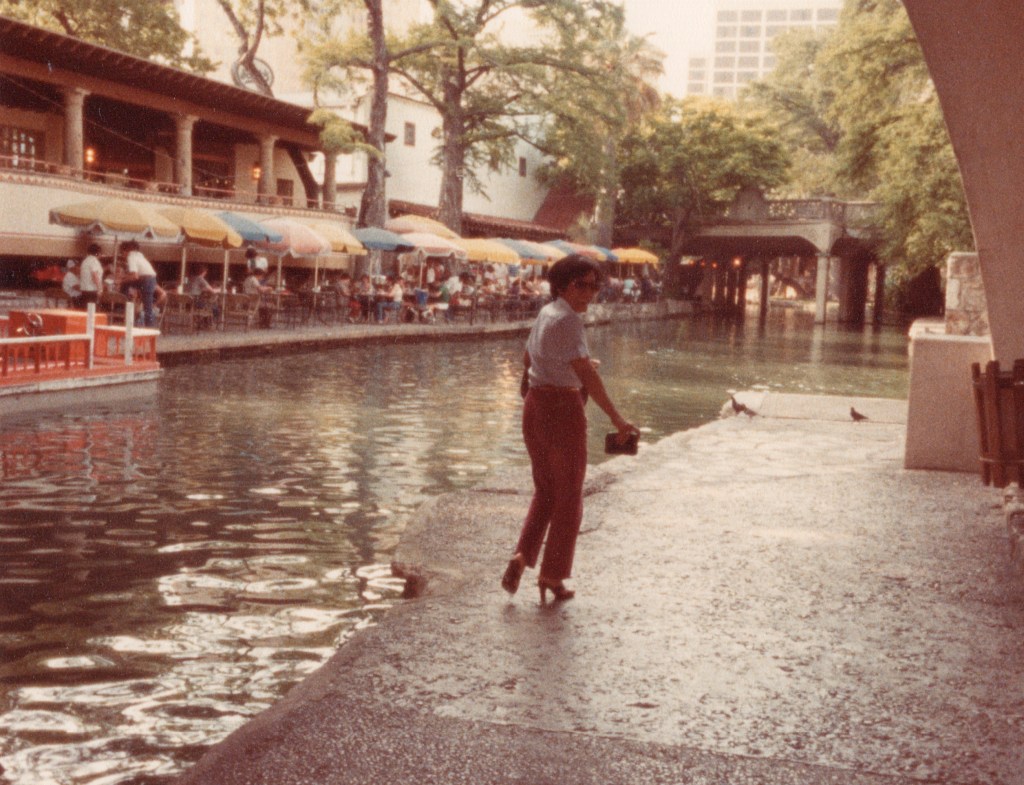
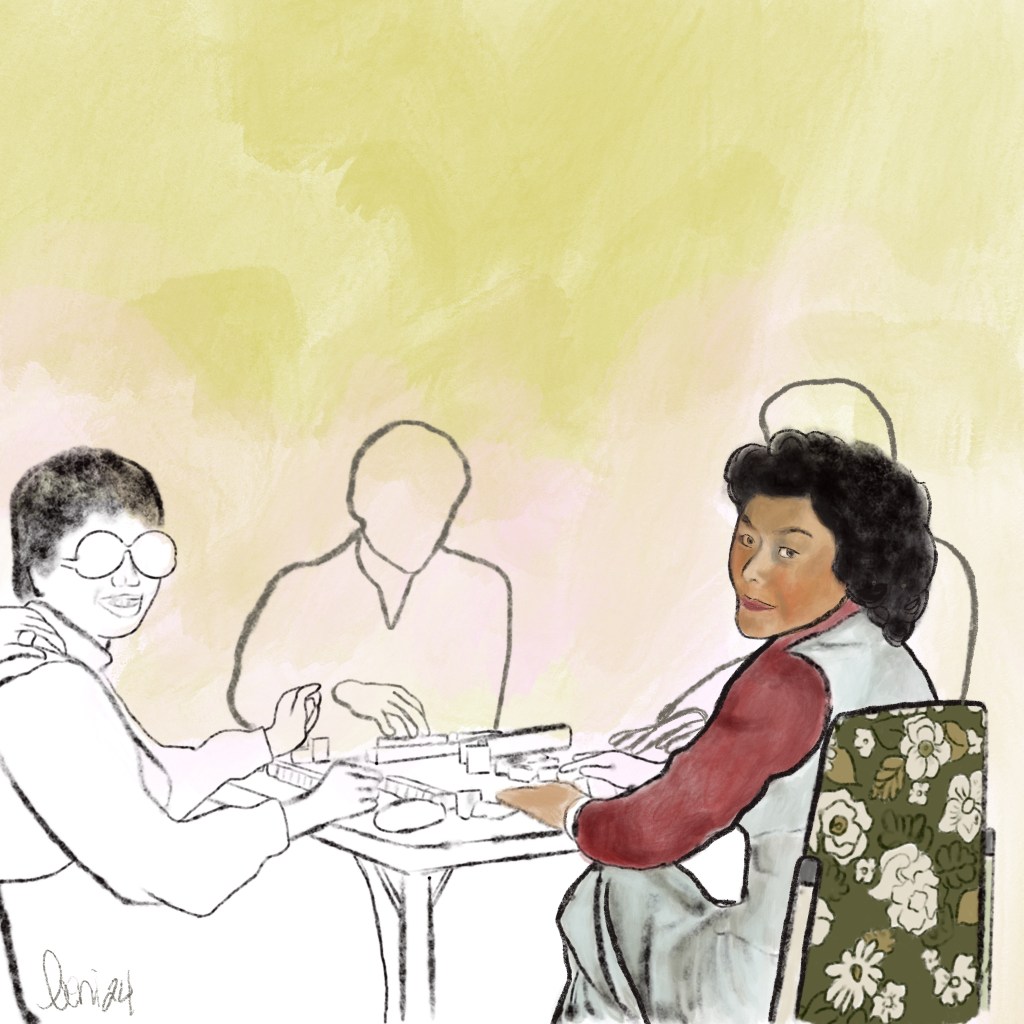
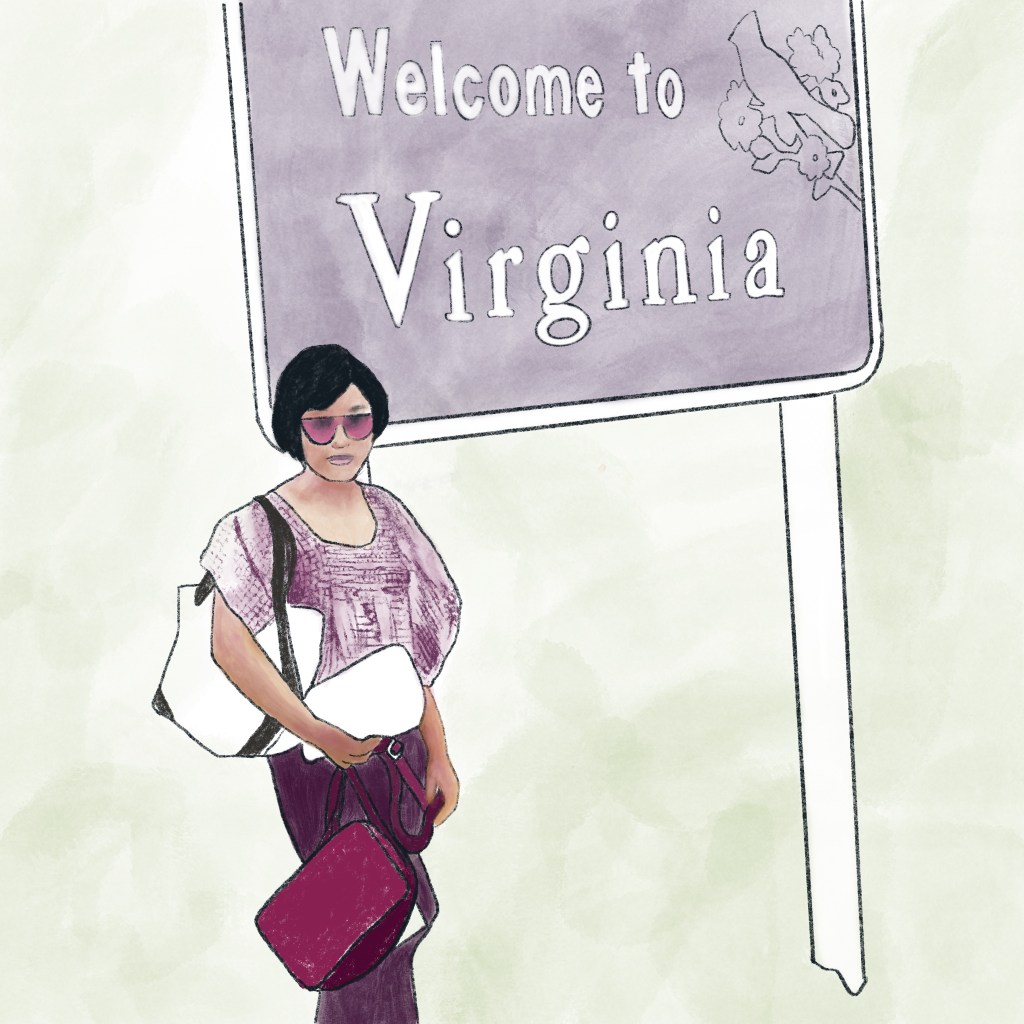
I look at my mom – her expressions mostly – and feel inspired by what she’s wearing and experiencing in these frozen moments of time. She’s the person who remains more of a mystery to me and often wonder how our relationship would’ve been today. With my dad, I was blessed to have had the time spent with him and know him … maybe not all his inner workings, but enough where I feel like it was a more complete parent-child relationship. I feel regret and guilt that I could’ve done more for him. With my mom, I’ve put her on a pedestal and compare most people to her. Who was she? I feel like it’s only fitting to devote my next series to her and this exploration particularly her amazing fashion sense, which she also fostered in me. As shallow as it might sound, the way she chose to bond with me comfortably was through shopping excursions. How do I reconcile the tumultuous nature of our relationship growing up with this elevated image?
My complicated and heavy family history is inescapable. I guess – although sometimes it feels like pulling a tooth – I have to be grateful for how it has helped arrive at certain concepts and principles in my life. It provides the motivation to try and convey these individual experiences with universal sentiment – we are not alone in feeling pain and joy and hope. I think the most powerful artists can do this in a way that is sincere and inclusive.
Honoring my mother in this way keeps her close to me; showcasing the beauty, courage, and aspects of her life intertwined with mine is also an effort to redirect the defects I see in myself. I lean on her again for strength and also a chance to prove what I’ve learned so far.
 LITTLE wagamama